Understanding Home Repair Services in Des Moines Iowa
When it comes to maintaining the integrity and value of your home, understanding the scope and importance of home repair services Des Moines Iowa can be invaluable. Home repair encompasses a wide array of tasks that are essential to ensure the safety, functionality, and aesthetic appeal of your property. From routine maintenance to emergency repairs, knowing what home repair services are available and how they can benefit you is crucial for any homeowner in Des Moines.
What Are Home Repair Services?
Home repair services refer to a spectrum of tasks aimed at restoring, maintaining, or improving a home's condition. These services can range from minor fixes like patching drywall and painting to more complex projects such as plumbing repairs, electrical work, and roof replacements. Essentially, any work that helps in maintaining a home's structural integrity or aesthetic value falls under the umbrella of home repair services.
Key Benefits of Hiring Local Professionals
Engaging local home repair professionals offers numerous advantages. Firstly, they possess an intimate knowledge of the area, including local regulations, climate conditions, and building codes. This insight enables them to make informed recommendations for repairs and improvements tailored to your specific needs. Additionally, local contractors often have established reputations and can provide references from satisfied customers within your community, ensuring a level of trust that is hard to find with distant service providers.
Common Home Repair Needs in Des Moines Iowa
In Des Moines, homeowners frequently encounter specific repair needs, largely influenced by the local climate and architectural styles. Common issues include:
- Roof maintenance and repairs due to Iowa's snowy winters.
- Plumbing repairs, particularly related to frozen pipes.
- Electrical upgrades to accommodate modern appliances.
- Exterior painting and siding repair to combat weather damage.
Essential Skills for Effective Home Repair
Basic Carpentry Skills for Beginners
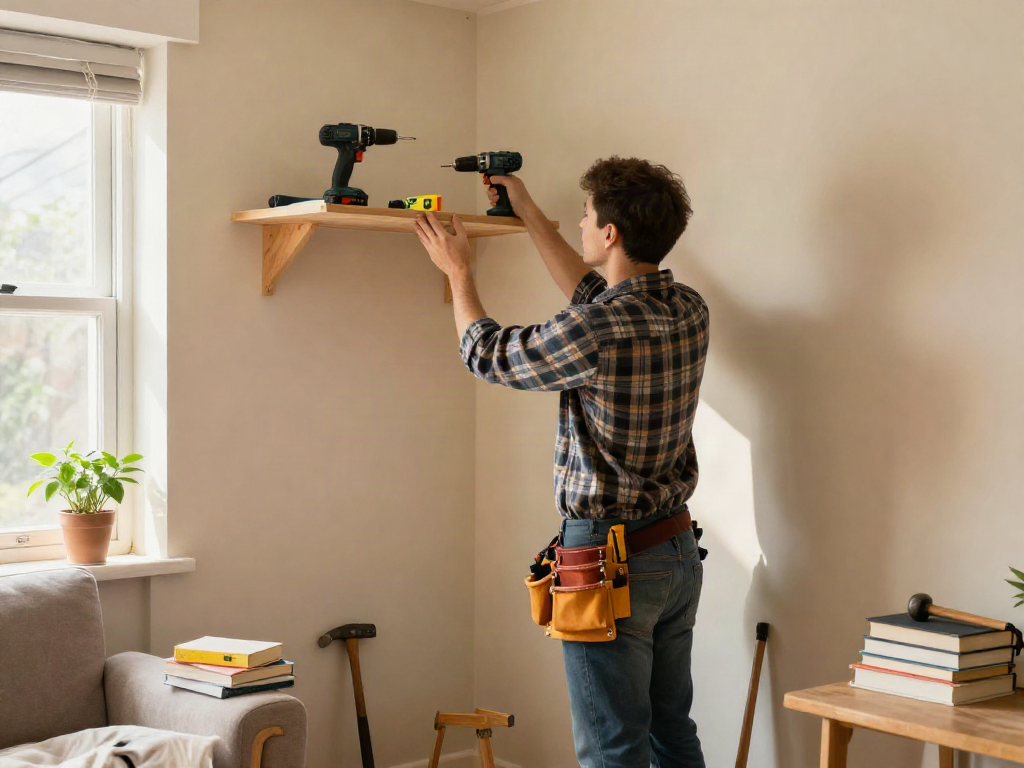
Carpentry is an essential skill for anyone interested in DIY home repairs. Basic skills include measuring, cutting, and assembling wood pieces. Understanding how to properly use tools such as saws, drills, and nail guns is also crucial. Beginners should start with simple projects, such as building shelves or repairing furniture, before progressing to larger installations like framing or cabinetry.
Understanding Plumbing Basics
While some plumbing issues can be complex and require professional intervention, having a foundational understanding can help homeowners tackle minor repairs. Knowing how to unclog a sink, fix a leaky faucet, or replace toilet components can save time and money. It's also beneficial to learn about the main water shut-off valve and how to maintain drainage systems to prevent future issues.
Electrical Safety Tips for Home Repairs
Electrical work can be dangerous if proper safety measures are not followed. Homeowners should familiarize themselves with basic electrical systems and safety protocols, such as turning off power before starting any work, using insulated tools, and ensuring proper grounding for any installations. For intricate electrical tasks, however, hiring a licensed electrician is always advisable.
Choosing the Right Home Repair Service Provider
How to Evaluate Home Repair Services Des Moines Iowa
Choosing a home repair service in Des Moines involves thorough evaluation. Start by checking online reviews and testimonials, which can provide insight into previous clients' experiences. Additionally, consider gathering multiple quotes to compare pricing and services offered. A reputable provider will also be able to present licenses, certifications, and insurance coverage to ensure they meet local regulations and standards.
Questions to Ask Before Hiring a Contractor
Before hiring a contractor, asking the right questions can clarify expectations and prevent misunderstandings. Key questions include:
- What is the estimated timeline for completion?
- Can you provide a detailed written estimate?
- What warranties or guarantees do you offer?
- How will you handle unexpected issues during the project?
Red Flags to Watch Out For
When evaluating home repair services, be aware of red flags that may indicate unreliable contractors. These include lack of proper licenses, vague project estimates, demands for upfront cash payments, and poor communication habits. Trustworthy contractors should be transparent and open to discussions about their processes and any potential concerns.
DIY vs. Professional Home Repair Services
Benefits of DIY Home Repairs
Engaging in DIY home repairs can be rewarding, both financially and personally. Homeowners can save money on labor costs, gain valuable skills, and enjoy a sense of accomplishment upon completing projects. Additionally, DIY allows for personalized touches that reflect the homeowner's style and preferences.
When to Call a Professional
While DIY can be a cost-effective option for many repairs, there are certain situations where calling a professional is advisable. Complex electrical or plumbing issues that require specialized knowledge, substantial renovations, or repair work that can affect your home's structure should always be handled by licensed professionals to ensure safety and compliance.
Cost-Effectiveness of Hiring Professionals
Hiring professionals may come with a higher upfront cost, but it can often save homeowners money in the long run. Skilled contractors bring expertise that can prevent costly mistakes and ensure that projects are completed efficiently and correctly. Additionally, many professionals offer warranties or guarantees, providing further peace of mind regarding the durability of their work.
Future Trends in Home Repair Services for 2026
Emerging Technologies in Home Repair
As we approach 2026, the home repair industry is poised to embrace various emerging technologies. Innovations such as augmented reality (AR) for project visualization and artificial intelligence (AI) for troubleshooting are beginning to transform how contractors and homeowners strategize repairs and renovations. These technologies can enhance accuracy and improve efficiency, making the repair process smoother than ever.
Sustainable Practices in Home Improvements
Sustainability is becoming an integral focus in home repair services. Homeowners are increasingly seeking eco-friendly options, such as using reclaimed materials, energy-efficient appliances, and environmentally safe paints. Incorporating sustainable practices not only benefits the planet but can also lead to long-term savings in utility costs.
The Growing Demand for Smart Home Integrations
The rise of smart home technology is influencing home repair services significantly. As more homeowners invest in smart devices, the demand for reliable integration services grows. Repair professionals are adapting to this trend by offering systems that connect various smart devices, enhancing convenience and security for homeowners.
What types of home repairs are most common?
Common home repairs often include plumbing leaks, roof issues, electrical problems, and HVAC maintenance. Understanding these frequent issues can help homeowners prioritize preventative maintenance and specific repairs before they escalate into more significant challenges.
How do I choose a reliable home repair service?
Selecting a reliable home repair service necessitates thorough research, including reading reviews, checking qualifications, and obtaining multiple estimates. Asking the right questions and looking out for red flags will further ensure a trustworthy partnership.
What should I do if my home repair is not done correctly?
If a home repair is not completed satisfactorily, the first step is to communicate the issue with the contractor. Most reputable professionals will address concerns and rectify problems. If the issue remains unresolved, homeowners may need to explore mediation or legal options depending on the contract's terms.
Are DIY home repairs cost-effective?
DIY home repairs can be cost-effective; however, homeowners must weigh the risks involved. While saving on labor costs is appealing, mistakes can lead to expensive corrections, thus diminishing the intended savings. It's crucial to assess personal skills accurately before embarking on major repairs.
What are the latest trends in home repair as of 2026?
As of 2026, trends in home repair are increasingly focused on technology, sustainability, and smart home integration. Homeowners are prioritizing energy efficiency, utilizing innovative technologies, and seeking services that promote long-lasting value and environmental stewardship.