Understanding Vietnamese Culture
Vietnam boasts a rich tapestry of culture woven from centuries of tradition, history, and diverse regional influences. From the bustling streets of Ho Chi Minh City to the tranquil landscapes of the Mekong Delta, Vietnamese culture is as varied as its scenery. Understanding this multifaceted culture is essential for any traveler hoping to immerse themselves in authentic experiences. When exploring options, https://joeyvisavietnam.com/ provides comprehensive insights into the cultural heritage of Vietnam, ensuring a fulfilling journey.
Key Elements of Vietnamese Heritage
The heart of Vietnamese culture lies in its profound heritage, shaped by influences from Confucianism, Buddhism, and Taoism, alongside indigenous traditions. Key elements that define this heritage include:
- Linguistic Diversity: Vietnamese is the official language, but there are numerous ethnic languages that contribute to the country's rich linguistic tapestry.
- Artistic Expressions: Traditional arts such as water puppetry, folk music, and calligraphy highlight Vietnam's vibrant cultural history.
- Ceremonial Practices: Festivals, rituals, and family gatherings play a crucial role, demonstrating the importance of community and ancestry in Vietnamese culture.
Traditional Customs and Modern Influences
While deeply rooted in tradition, Vietnamese culture has adapted and evolved. Modern influences have introduced new lifestyles and ideas, particularly in urban areas. Traditional customs, such as honoring ancestors through worship and maintaining family ties, remain integral but are often blended with contemporary practices, leading to a unique cultural fusion.
Regions and Their Distinct Cultural Practices
Vietnam's geography contributes to its diverse cultural practices. Northern Vietnam is known for its historical sites and traditional music, while the central region is renowned for its unique cuisine and grand festivals. Southern Vietnam, particularly Ho Chi Minh City, showcases a blend of modern innovation with rich history, reflected in its architecture and culinary offerings.
Must-Visit Cultural Sites
Exploring Vietnam's cultural landscape is not complete without visiting its significant landmarks. Each site tells a story and provides insights into the country’s rich history and heritage.
Top Historical Landmarks in Vietnam
Vietnam is dotted with historical landmarks that capture its tumultuous yet resilient past. Notable sites include:
- War Remnants Museum: Located in Ho Chi Minh City, this museum offers an in-depth look at the Vietnam War through photographs and artifacts.
- Imperial City of Hue: A UNESCO World Heritage site, it reflects the grandeur of the Nguyen Dynasty, with palaces and temples to explore.
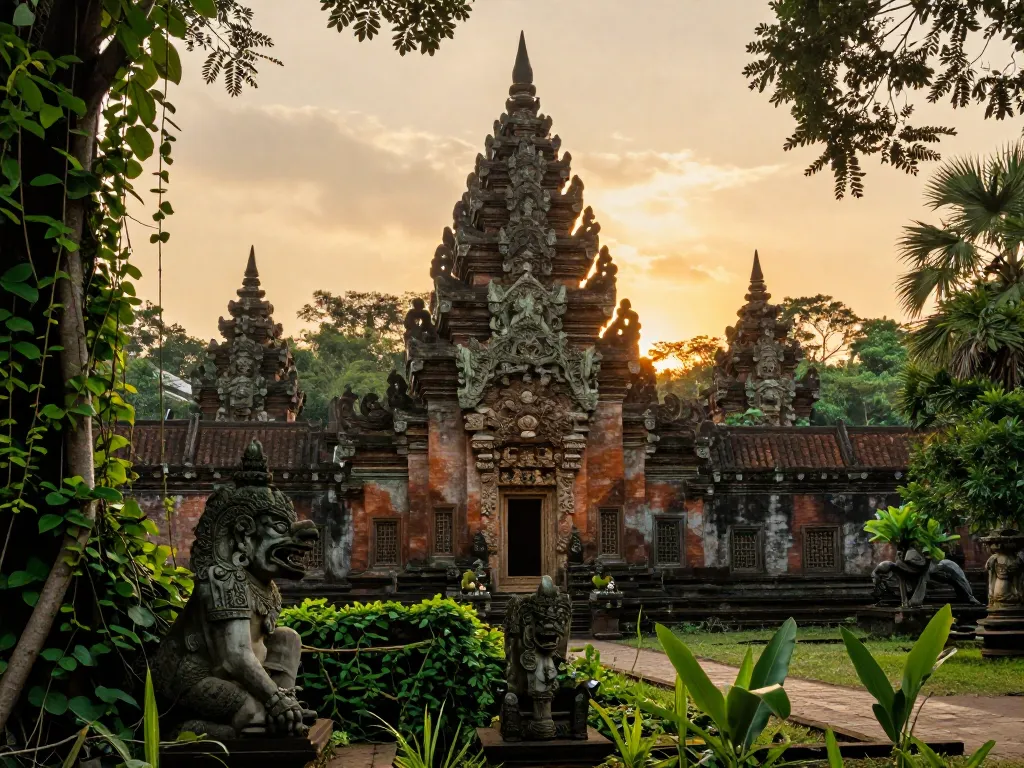
- My Son Sanctuary: An ancient site with Hindu temples that date back to the Champa Kingdom, showcasing unique Cham architecture.
The Importance of Heritage Sites
Heritage sites serve as a chronicle of Vietnam's past, promoting cultural preservation and education. They provide visitors with an understanding of the struggles and triumphs that have shaped modern Vietnam, and their conservation is crucial for future generations.
Unique Museums and Galleries to Explore
Beyond historical landmarks, Vietnam is home to numerous museums and galleries that celebrate its art and culture:
- Vietnam Museum of Ethnology: This museum highlights the diverse ethnic groups in Vietnam and their traditions through artifacts and exhibits.
- Ho Chi Minh City Fine Arts Museum: Hosts contemporary Vietnamese art alongside historical pieces, showcasing the evolution of art in the country.
- Folk Art Museum: Located in Hanoi, this museum displays traditional Vietnamese crafts, including textiles and ceramics.
Authentic Vietnamese Cuisine
Vietnamese cuisine is as diverse as its culture, characterized by fresh ingredients, bold flavors, and intricate cooking techniques. To truly appreciate Vietnam, one must dive into its culinary delights.
Popular Dishes You Should Try
Vietnam is famous for its street food and restaurant offerings. Some must-try dishes include:
- Pho: A fragrant noodle soup with beef or chicken, garnished with herbs and lime.
- Banh Mi: A delicious sandwich combining French and Vietnamese flavors, often filled with meats and fresh vegetables.
- Goi Cuon: Fresh spring rolls filled with shrimp, herbs, and vermicelli, served with a peanut dipping sauce.
Street Food vs. Fine Dining Experiences
While street food is an integral part of Vietnamese culture, offering authentic flavors at budget-friendly prices, fine dining in Vietnam has grown tremendously. Upscale restaurants now feature modern interpretations of traditional dishes, providing a unique culinary experience that contrasts with the vibrant street food scene.
Culinary Traditions and Dining Etiquette
Dining in Vietnam is often a communal experience. Traditional meals emphasize sharing, with dishes placed in the center of the table. Understanding dining etiquette, such as using chopsticks properly and the importance of saying "an ngon" (enjoy your meal), enriches the cultural experience.
Participating in Local Festivals
Engaging in local festivals is an excellent way to experience Vietnamese culture up close. These events reflect the nation's heritage and community spirit.
Overview of Key Vietnamese Festivals
Vietnam hosts a variety of lively festivals throughout the year, each with its own significance and customs:
- Tet Nguyen Dan: The Vietnamese Lunar New Year, a time for family gatherings, meals, and honoring ancestors.
- Mid-Autumn Festival: Celebrated in the fall, this festival centers around mooncakes and lanterns, particularly for children.
- Perfume Pagoda Festival: A pilgrimage to the Perfume Pagoda, where thousands of devotees come to pay homage.
Festivals Celebrating New Year and Harvests
These festivals not only mark the passage of time but also celebrate agricultural cycles and cultural heritage. The Tet festival, for instance, is not only a new year celebration but also a time for reflection, new beginnings, and cultural renewal.
How to Join and Experience Local Festivities
To truly immerse oneself in local customs during festivals, participation is key. Engaging with locals, trying traditional foods, and partaking in activities such as dances or games can provide deeper insights into the Vietnamese way of life.
Travel Tips for Immersive Experiences
To enhance your visit to Vietnam, consider the following tips that can lead to more immersive cultural experiences.
Best Times to Visit Vietnam
The best time to visit Vietnam depends on the region, but generally, spring (February to April) and autumn (August to October) offer mild weather and vibrant festivities, making them ideal for exploration.
Getting Around: Transportation Tips
Vietnam has a well-developed transportation network. Options include local buses, motorbike taxis, and ride-sharing apps. For a more authentic experience, consider traveling by train or taking a scenic boat ride on the Mekong River.
Connecting with Local Communities for Authentic Insights
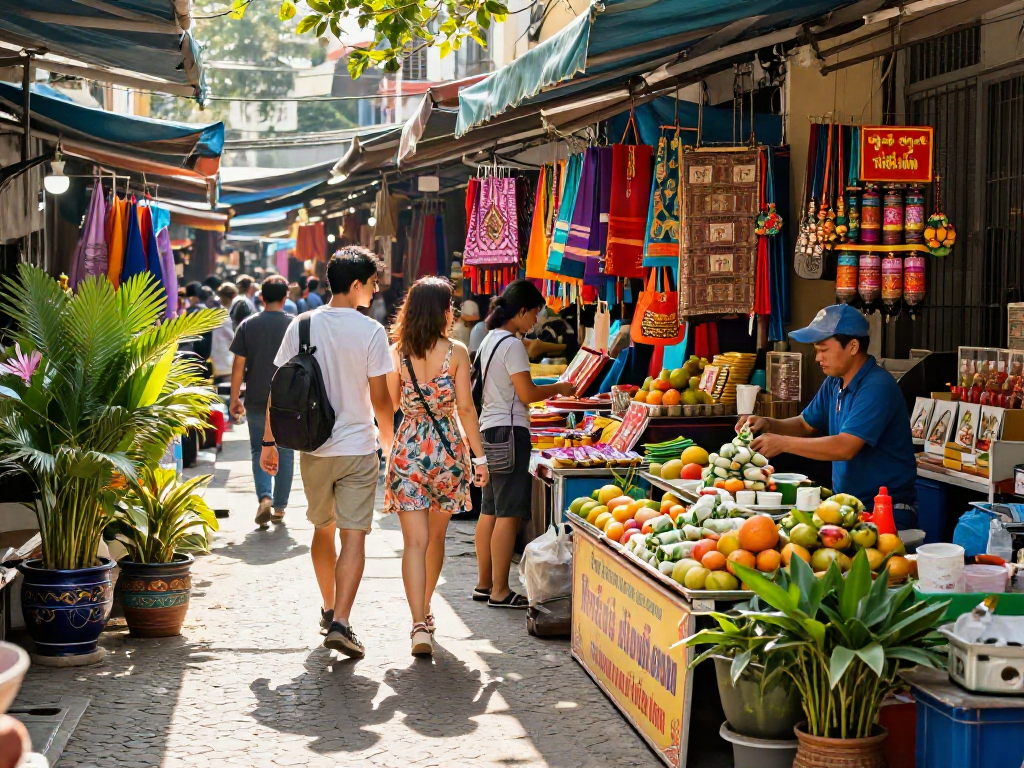
Engaging with local communities can significantly enhance your understanding of Vietnamese culture. Seek out homestays, community tours, or local markets to foster connections and gain deeper insights into everyday life.
What are the top cultural experiences in Vietnam?
Top cultural experiences include taking part in a cooking class, attending a traditional music performance, visiting local craft workshops, and exploring rural villages to understand the lifestyle of different ethnic groups.
How can I navigate Vietnamese street food safely?
To enjoy street food safely, choose vendors that are busy (indicating popularity), ensure the food is freshly prepared, and observe cleanliness. Try to eat where locals eat for the best experience.
What are essential customs to know before visiting Vietnam?
Understanding and respecting local customs is crucial. Always greet with a smile, remove shoes when entering homes, and be mindful of dress codes when visiting temples or rural areas.
How do I find local events and festivals?
Local events and festivals can often be found through tourism websites, social media groups, or by asking locals upon arrival. Engaging with your hotel or guides can also yield insider information.
What should I pack for a trip to Vietnam?
Pack lightweight clothing suitable for warm weather, comfortable shoes for walking, sunscreen, a reusable water bottle, and a small backpack for day trips. Don’t forget a light jacket for cooler evenings, especially in the northern regions.